
Indoor Humidity Control During Extended Heating Months
Whole-House Humidifiers in Davenport and surrounding Quad City areas for dry indoor air during furnace season
Forced-air heating strips moisture from indoor air throughout Quad Cities winters, leaving relative humidity levels well below the comfortable range and causing static electricity, dry skin, and visible cracks in wood trim and furniture. A whole-house humidifier connects directly to your home's heating and air conditioning system, adding measured moisture to circulated air without the constant refilling and limited coverage portable units require. Family Heating & Cooling installs whole-house humidifiers for Davenport homeowners who want consistent indoor humidity levels from November through March, when furnaces run daily and outdoor air holds minimal moisture.
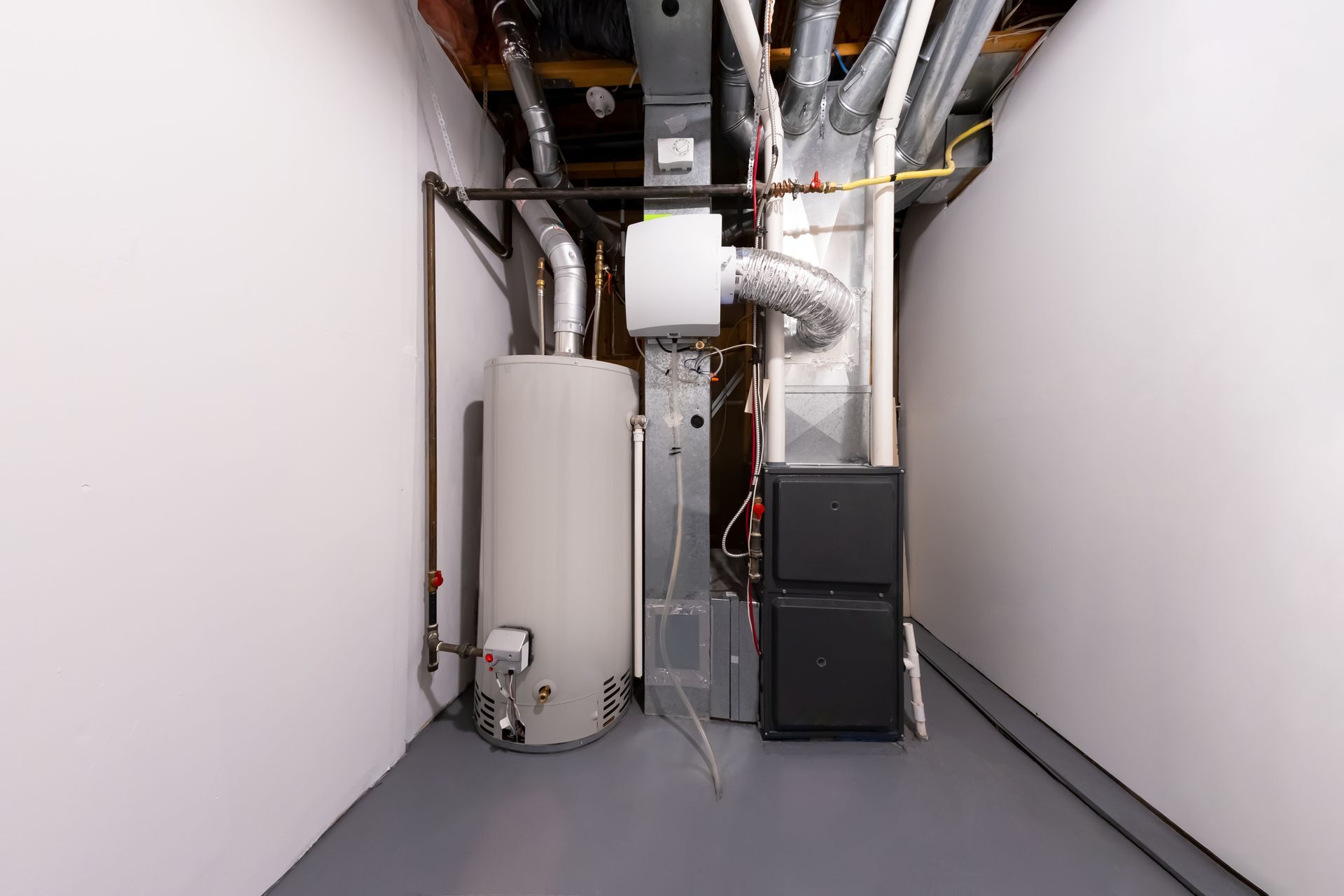
Whole-house humidification works by introducing water vapor into the supply air stream as your furnace operates, distributing moisture evenly throughout all rooms served by your ductwork. Installation involves mounting the humidifier to the main supply plenum, connecting a water line, and wiring controls to coordinate operation with furnace cycles. This integration ensures humidification occurs only when the blower runs, preventing over-saturation and allowing centralized humidity control from a single device.
What Controlled Indoor Humidity Prevents
Humidifier selection depends on furnace type, with bypass models using existing airflow, fan-powered units generating independent circulation, and steam humidifiers providing precise humidity control in larger homes. Each style mounts to ductwork and draws water from the home's plumbing, eliminating the daily refilling portable humidifiers demand. Capacity matching considers home size, typical indoor temperature settings, and how tightly the building envelope seals, since leakier homes lose humidified air faster and require higher output.
Once operating, you notice fewer static electricity shocks when touching metal surfaces, reduced dryness in nasal passages and throat overnight, and stabilized moisture content in wood flooring and furniture that previously showed seasonal shrinkage gaps. Humidity levels stay within the target range without daily monitoring or tank refills, and moisture distributes evenly rather than concentrating near a single portable unit. Properly controlled humidity also allows you to feel comfortable at slightly lower thermostat settings, since moist air transfers heat more effectively than dry air at the same temperature.
Whole-house humidifiers require annual maintenance including water panel replacement or cleaning, inspection of water supply connections, and verification that drainage lines remain clear. Over-humidification creates condensation on cold windows and can promote mold growth, so systems include humidistats that regulate output based on indoor and outdoor temperature conditions to prevent excessive moisture.
Common Questions About Whole-Home Humidity Control
Customers in Davenport and surrounding Quad Cities areas frequently ask about humidifier operation, maintenance needs, and ideal indoor humidity targets during winter.
What indoor humidity level should homes maintain during heating season?
Most homes target relative humidity between thirty and forty percent during winter, with exact settings adjusted based on outdoor temperature to prevent window condensation while still providing comfort and protecting wood furnishings from excessive dryness.
How does a whole-house humidifier connect to existing HVAC equipment?
The humidifier mounts directly to the supply plenum of your furnace or air handler, taps into a cold water line for moisture supply, and wires to the furnace controls so it operates only when the blower runs and heating calls for conditioned air distribution.
When should humidifier water panels be replaced in Davenport and surrounding Quad City areas?
Water panels typically require replacement once per heating season, usually during fall furnace maintenance before sustained cold weather begins, though homes with hard water may need more frequent changes if mineral deposits reduce water absorption capacity.
Why does dry indoor air feel colder than humidified air at the same temperature?
Dry air allows moisture to evaporate more readily from skin, creating a cooling sensation, while air at comfortable humidity levels slows evaporation and feels warmer even at identical thermostat settings, potentially allowing lower heating costs.
What happens if indoor humidity rises too high during winter?
Excessive humidity causes condensation on windows, particularly on the coldest glass surfaces, and can lead to mold growth on walls or in corners where air circulation is limited, which is why humidistats include outdoor temperature sensors to reduce output during the coldest weather.
Family Heating & Cooling applies over 75 years of combined experience to every humidifier installation, matching equipment capacity to your home's heating system and moisture needs. Contact us to discuss whole-home humidity solutions and determine the appropriate system for your property.